Recent media coverage and the discussion that followed have brought workplace pressure, commercial expectations, and clinical autonomy firmly into the spotlight. While at times the conversation has been uncomfortable, it has also been important.
For some optometrists, seeing their own workplace experiences discussed publicly has been validating.
For others, the coverage has been frustrating, particularly where isolated experiences risk being generalised into a broader narrative about the profession that undermines public confidence in optometry.
And I understand both perspectives.
But if we focus too heavily on defending the profession’s reputation, we risk missing the more important question: what are the conditions in which optometrists are being asked to practise? And are those conditions sustainable?
That is a broader discussion we need to have – and to have honestly.
Workforce supply, service demand, funding, employment conditions, scope of practice, and access to care are interconnected.
KPIs Are Not The Whole Story
There is no ambiguity about where I stand on inappropriate commercial pressure.
Optometrists are healthcare professionals.
Clinical decisions must be made independently, based on the patient’s needs.
Commercial targets or incentives have no place where they influence clinical recommendations or compromise professional obligations.
But key performance indicators (KPIs) are also a symptom of something bigger.
Optometry is operating within an increasingly difficult economic environment.
The profession remains heavily reliant on Medicare, while rebates have not kept pace with the rising costs, complexity, and time involved in delivering contemporary eye care.
Practice costs are increasing and patient presentations are becoming more complex.
None of this justifies inappropriate commercial expectations; however, it does mean we need to look beyond the symptom and examine the system producing the pressure.
Optometrists are trained to identify the underlying cause rather than simply treat the presenting symptom. We should apply the same thinking to workforce policy.
There is no single solution. Workforce supply, service demand, funding, employment conditions, scope of practice, and access to care are interconnected. We need to treat them that way.
… we need to look beyond the symptom and examine the system producing the pressure.
Looking at the Whole Workforce Picture
Optometry Australia (OA) has been working on these issues for more than a decade.
We have opposed proposals for additional optometry schools, advocated for optometry’s removal from the national skills shortage list, published workforce projections, and supported research into the working conditions of employee optometrists.
We have also developed positions on clinical autonomy, inappropriate KPIs, and workplace conditions. We have advocated for improved Medicare funding, and examined workforce maldistribution and unmet need.
The problem is not that nothing has been happening. The problem is that too much of this work has happened behind the scenes.
Optometrists have not always had sufficient visibility into the evidence informing our positions, the work underway, or the barriers to achieving change.
A Different Approach
The unification of OA gives us an opportunity to approach these challenges differently.
Our first major consultation as a unified organisation will focus on the workforce.
It will look beyond simply asking whether there are too many or too few optometrists.
We need to understand where optometrists are practising, where patients have unmet need, how demand is changing, the conditions practitioners are working under, and whether the current funding model supports the care we expect them to deliver.
That means considering supply and demand together.
If we increase the number of optometrists without creating sufficient demand for their services, we risk intensifying competition and commercial pressure.
If we focus only on funding without addressing workforce distribution, patients in underserved communities will continue to miss out.
OA members, employers, universities, policymakers, and other workforce stakeholders will all play important roles in these conversations. While I expect some disagreement, a healthy national approach should be tested by diverse perspectives.
Changing the Funding Conversation
A sustainable profession also requires us to talk seriously about funding.
Medicare reform remains a priority for OA, but we also need to pursue new funding pathways that recognise the value of optometric care.
Dry eye disease is one example. Optometrists are well placed to diagnose and manage dry eye disease, yet patients can face high out-of-pocket costs for some treatments.
OA is lobbying private health insurers for appropriate coverage of light-based in-office dry eye therapies.
These are the kinds of opportunities we need to pursue: funding that supports clinically appropriate care, improves patient access and outcomes, and recognises the contribution optometrists make to the healthcare system.
We are also continuing to advocate for optometry students to be included in financial support for clinical placements following the exclusion of optometry from the expansion of the Commonwealth Prac Payment scheme.
A Turning Point
The profession is asking some difficult questions.What does a sustainable optometry workforce look like? How do we ensure genuine clinical autonomy? How do we make optometry financially sustainable without allowing commercial considerations to undermine patient care? And how do we ensure Australians can access the care they need, wherever they live?
There will not be one policy announcement that answers these questions. They require sustained advocacy, better evidence, and a willingness to confront uncomfortable realities.
They also require a stronger relationship between OA and the profession it represents.
The recent debate has demonstrated that optometrists care deeply about their profession. That is a strength.
The opportunity presented by a unified OA is not simply to speak with one voice.
It is to listen, develop evidence-based policy, and pursue change that makes a real difference for practitioners and patients.
The conversation about workplace pressure has started. We should not be afraid of where it takes us. I encourage members to visit OA’s website to read the consultation documents and complete the survey.
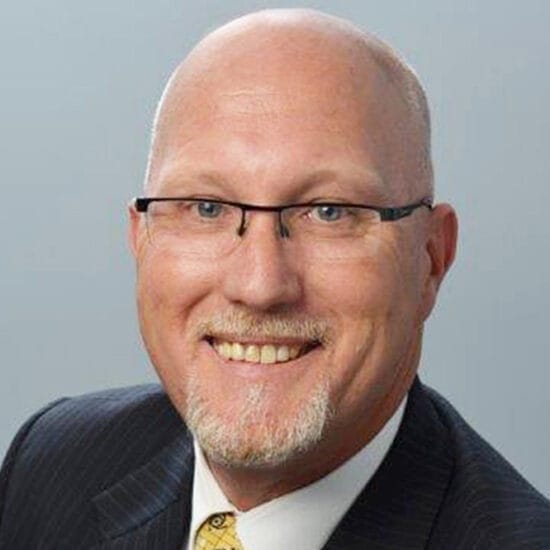
Shellye Hanson is Head of Policy and Advocacy at Optometry Australia.