A new generation of optometrists is establishing independent practices, embracing the opportunities that practice ownership offers. From the regions to the suburbs and cities, these practitioners are discovering the rewards of independence – clinical autonomy, personalised patient care, and the freedom to shape their own professional journey.
Their stories reveal not just individual career choices, but a broader affirmation that independent optometry remains a vibrant and rewarding path for those willing to take the leap.
For many optometrists, the decision to open an independent practice stems from a desire to practise on their own terms. Anthony Le, who opened City Optics in Wetherill Park after working in Goulburn, was drawn to the autonomy and personal connection that independent practice offers.
“Every day just flies past now,” Mr Le said, describing his recent experience as a practice owner. “There’s a sense of community. When patients come back to see me, we’re on first-name basis. There’s more rapport with the patient, and there’s no time constraint.”
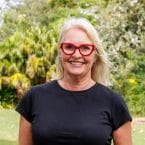
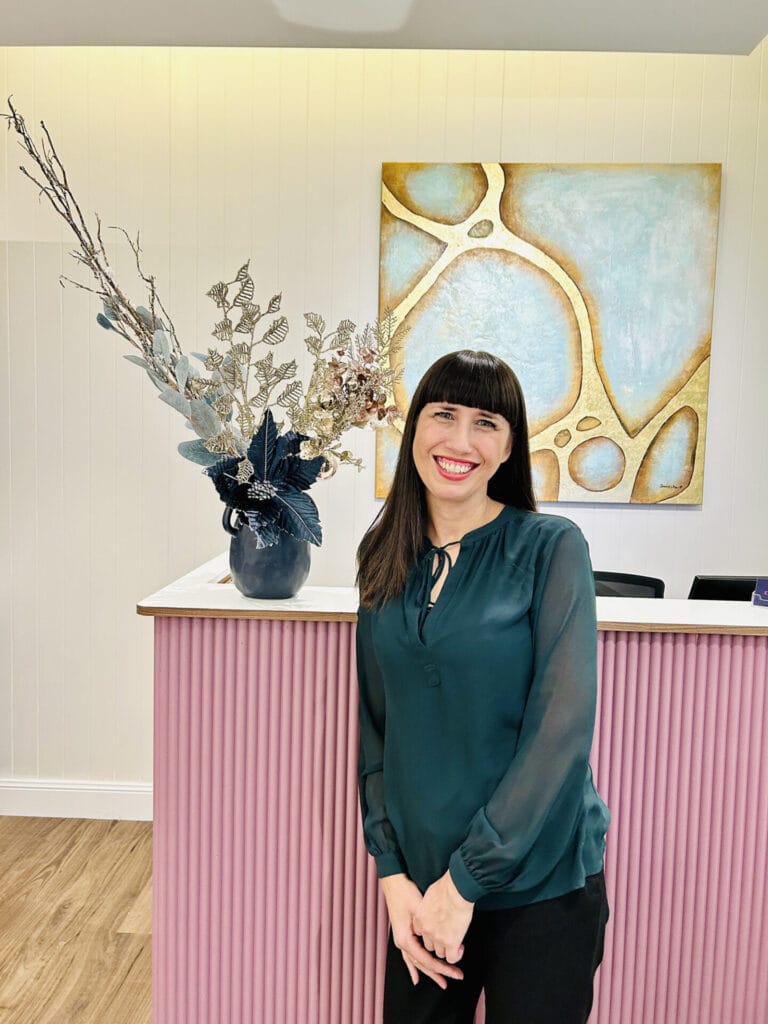
When the practice she had been working for changed hands, Nicky Dayton opened Berowra Eye Studio in Sydney’s north. At age 49, she was motivated by the opportunity to deliver care exactly as she envisioned, and according to her values.
“I had to replicate what we used to do and how we used to do it,” Ms Dayton explained.
The Journey to Ownership
Becoming a practice owner necessitates skills beyond clinical expertise. Each practitioner found themselves learning about lease negotiations, marketing, human resources management, and financial planning – skills that complemented their optometric training.
Mr Do admitted to preparing meticulously, spending an entire year planning before the purchase. “I dug into the numbers inside out. I planned every single thing,” he explained. Working six days a week for the previous owner while planning his takeover after hours, Mr Do examined every lens sold and created a comprehensive improvement plan.
For Anthony Le, who was planning to open a greenfield site in Wetherill Park in collaboration with Thomas Do, the major challenges were time and geography. “I remember in the early days I was only free to travel from Goulburn to do site visits every second Monday – every other day I was working,” he recalled.
The process from decision to opening took around ten months, culminating in a 2.30am finish the night before opening. Friends and family were there until the small hours helping to stock shelves and “the next morning, we were back at about 6.30 to do some finishing touches”.
Opportunities That Present Themselves
For some, the decision to open an independent practice wasn’t part of a long-term plan – it was an opportunity that presented itself at exactly the right moment.
Eliza Whiteley had been working for a local ophthalmologist in Dubbo in western New South Wales, and had even sat her Graduate Medical School Admissions Test (GAMSAT), planning to pursue medicine, when she learned that a Georgie and Matilda practice in the region was closing. The practice, previously run by Max Astri, was renowned for thorough eye care with a strong focus on eye health.
What a loss for the region in terms of a provider of private eye care, Ms Whiteley thought at the time. She took the opportunity on, renamed it Whiteley Optometry, and assembled a team that included staff who had previously worked for Mr Astri.
“The opportunity chased me rather than me chasing a dream,” Ms Whiteley admitted. But the driving factor was clear: “What would happen if this practice were to close and what would that mean for the people it had been serving?” The alternative would have been patients travelling to Mudgee, quite a trek for those already travelling up to five hours to reach Dubbo.
For Thomas Do, the catalyst came when the owner of the Penrith practice where he worked full-time decided to retire. “He just didn’t trust the patients with anyone else,”
Mr Do explained. The ultimatum was simple: “By next year the store won’t be here anymore if you don’t take over”.


Regional Advantages
Establishing practices in regional areas presents opportunities alongside challenges. With the original Max Astri space already leased, Ms Whiteley was forced to find a suitable location, complete a fit-out, and communicate with patients, all within a compressed timeframe.
“It definitely felt like I jumped in the deep end and worked out how to swim,” Ms Whiteley said. However, although the uncertainty was community she had grown up in.
“Country people are very good at supporting people who are giving it a crack,” she observed. “Being involved in your local community is the single most important thing you can do.”
Making The Investment
Of course, opening a practice also comes with a significant financial commitment. At 49, Ms Dayton was able to rely on the security of home ownership and a stable household income, however, she acknowledged this would not have been easy had she been 20 years younger.
“I feel for young optometrists, because people say to them, ‘why don’t you just open a practice?’ But I completely understand that this is not something they can do at that point in their career,” she observed.
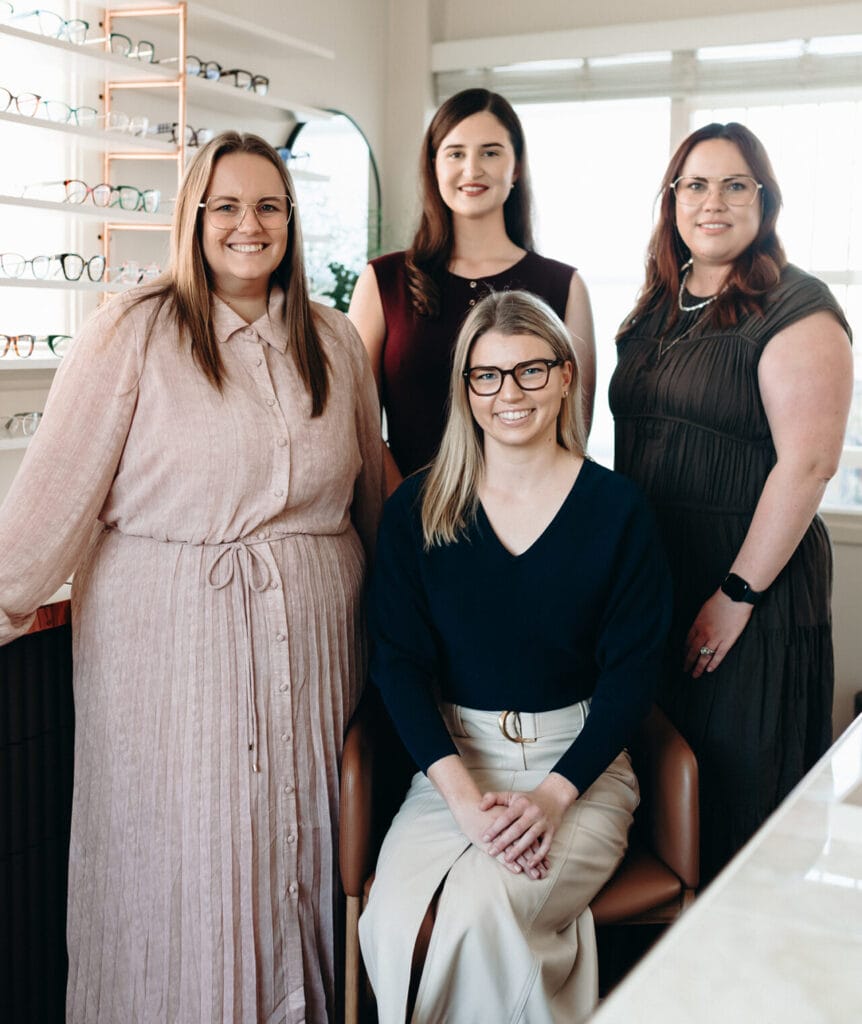
For Sam Savva and Dr Baz Ghafourian, who opened Adrenaline Optometry on the NSW Central Coast in mid-2022, having a clear business plan was essential. “We had the support of a ProVision business coach to formulate our business plan, budget, and store concept,” Mr Savva explained. “Once we had the foundation steps and numbers firmly written down, we felt confident to open the practice.”
The Power of Support Networks
Like many of the independent optometrists we spoke to for this story, Mr Do credits ProVision’s business coach Kelvin Bartholemeusz with helping him navigate critical decisions. “I would’ve been stuck at a lot of points in time if I didn’t have anyone to ask,” he admitted. Questions about lease negotiations, employment contracts, rostering, and pricing were all answered through this coaching relationship – at no charge.
“ProVision didn’t charge me a cent. It was a program to help me purchase the practice, and I had coaching from Kelvin, I think, for a whole year,” Mr Do explained.
Ms Dayton echoed this sentiment. “I could call Kelvin anytime any day and he was as excited about everything as I was,” she said enthusiastically. “Things like writing a budget – I don’t think I could ever have done that on my own.”
Buying groups that negotiate discounts with frame and lens suppliers also provide confidence. “ProVision has negotiated really good deals, and it just makes me that little bit more confident that I’m not overpaying for stuff. Otherwise, I would’ve had no point of comparison really.”
For Ms Whiteley, business coach Joanne Scott-Dostine (now Chief Executive Officer of Vision Connection) provided crucial support, while connections with other local optometrists also proved invaluable. “Sallyanne Morrison, another optometrist in Dubbo, and her brother Rod, who has his own lab – they definitely have been very encouraging.”
The Freedom to Define Your Practice
What makes independent practice particularly rewarding? For these practitioners, it comes down to the freedom to define how they deliver care.
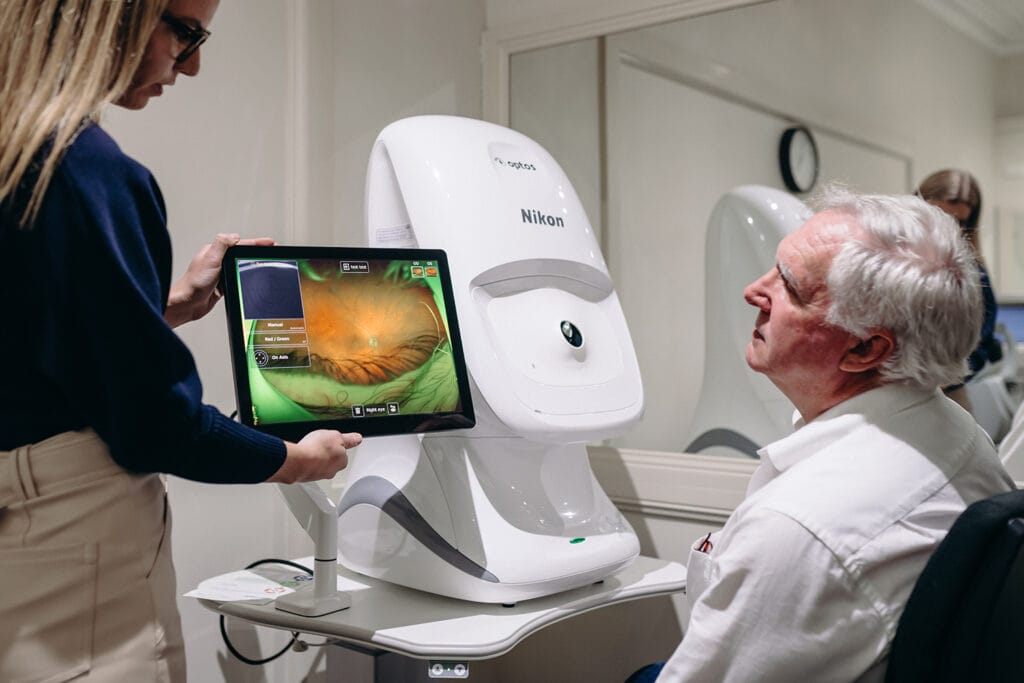
Mr Do’s first priority after taking over was acquiring equipment he felt was essential for comprehensive care. “There was no OCT (optical coherence tomographer), no fundus camera – it was missing key equipment that changes the way you practise as an optometrist,” he explained. “Now I can practise the way I want to practise. I can take care of more patients.”
Mr Savva and Dr Ghafourian appreciated the opportunity to design their ideal practice from the ground up. “Opening a greenfield store gave us the ability to design our ideal practice with an open plan industrial feel and stock the brands we wanted, using the lenses that we wanted.”
For Ms Dayton, the freedom extends to every aspect of the patient journey. “You can really control the whole process – from how they see your store, how they come in, to how they get their glasses. You control the whole process.”
Learning As You Go
Despite meticulous planning, new practice owners discover surprises along the way. Ms Dayton found far more work than anticipated in “getting all of the pricing correct, getting them loaded into the system so that no matter what anyone wants, we’ve got a code there that people can use – I didn’t realise the actual manual labour involved,” she admitted. “Had I known how big that was, I would’ve started that earlier.”
Mr Do identified staffing as an ongoing learning curve. “It’s hard to find competent and good staff. The staff can make or break a business,” he noted.
For Mr Savva and Dr Ghafourian, marketing proved to be a learning experience. “Trial and error worked best for us, as there are so many types of marketing… What ends up working well in the store may be very different to what you had originally planned, and you need to be willing to customise your practice to your specific store’s demographic.”
The Rewards of Ownership
The long hours are undeniable. Mr Do worked 400 days straight without a break in the early days, doing seven-day weeks. Mr Le’s evenings initially stretched to 8.30pm as he managed backend work alongside clinical duties.
Yet the satisfaction of building something of their own continues to make it worthwhile. “When I’m working to build something of my own creation, I feel like I can put in a hundred hours a week and not be tired,” Mr Do said. “It’s a bit different because the effort that I put in will come out the other end.”
For Ms Whiteley, the reward lies in team dynamics and flexibility. “You spend more time with these people than you do anyone else in your life, and that’s really such a privilege and a joy,” she said. Additionally, she said owning her own practice has delivered the flexibility to also be involved in her family’s farm, which has created “a more holistic view of life”.
Despite being in just her third week of operation when interviewed, Ms Dayton said the reward was seeing that she already had 250 people on a waiting list. Her strategic location opposite the local supermarket and an active social media presence built anticipation before opening. “In the back of your mind, you always have, ‘What if no one comes?’ But so far, that hasn’t been the case.”
The Independent Model
Long-time independent practice owner Nick Hansen from Orange, in central New South Wales, sees this wave of new practices as an affirmation of the independent model’s enduring value.
A founder of EyeCare Plus, Mr Hansen champions the distinctive approach that independent practices can offer. “We prioritise patient care over sales; relationships over transactions; and quality over quantity,” he said. “We’re known as the local optometrist – not the local glasses shop. We are part of our communities.” It’s this sense of community connection that he values deeply about the independent model.
Final Words of Advice
When asked what advice they’d offer to optometrists considering practice ownership, each of these new independents focussed on preparation, clarity of vision, and commitment.
“Be clear on your point of difference,” Ms Whiteley said. “Sometimes the path isn’t always clear, but you’ve got to try something. Don’t get your head up too far on the journey, just keep taking a step each day. And a good team – that would be number one.”
Mr Le said preparation and mindset are critical. “Prepare yourself because it’s not easy. But with a lot of commitment, and time, and investment, comes a reward at the end – not only financial but also a sense of accomplishment.”
Mr Do agreed that “if you put work in, there will always be a 100% chance you’ll succeed… even if you come from a background of no business at all, there is opportunity to succeed.”
And the final word from Mr Hansen, whose family practice has been operating independently since the 1880s: “If you’re a young optometrist feeling frustrated or unfulfilled, and you’re looking for satisfaction in your career, consider independent practice. You might just rediscover the reasons you chose this profession in the first place,” Mr Hansen concluded.